

Our Latest Blogs
Our aim was to make technical information about solar energy easily accessible to our audience by presenting it in a straightforward and conversational language.
Contact Us
July 14th, 2025
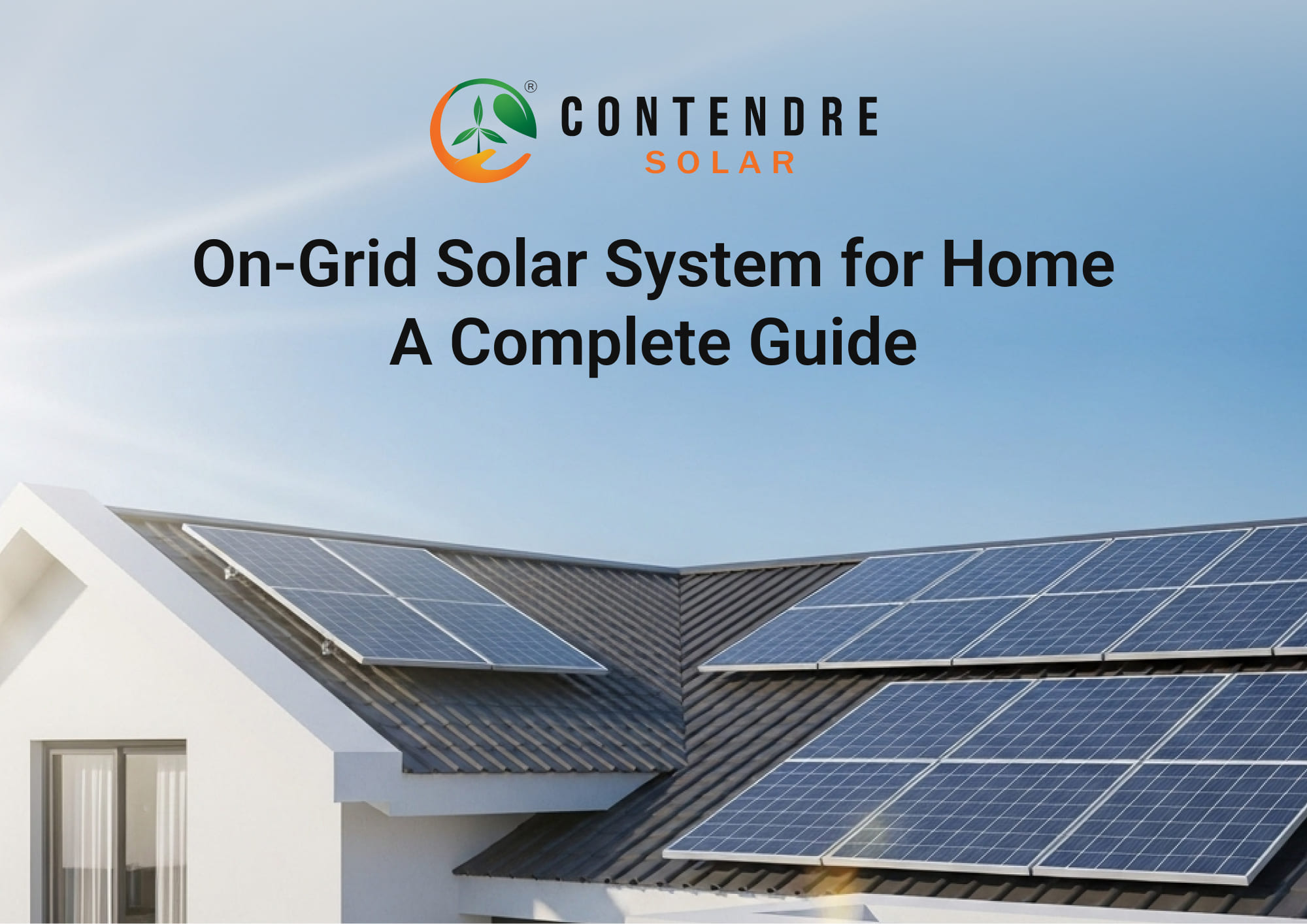
Reduced Utility Bills – By generating electricity during the day, homeowners can reduce their reliance on the grid, saving money on their utility bills.
As the energy prices continue to rise and environmental concerns increase, more and more Indian homeowners are switching to solar energy, and at the forefront of this movement are on-grid solar systems. For B2B professionals such as solar EPC companies, real estate developers, and distributors, this trend is not just a movement; this is a prominent opportunity.
On-grid rooftop solar systems provide a smart, cost-effective solution to reduce electrical bills, earn credit through net metering, and support India's renewable energy push, without completely being away from the grid.
In this guide, we will take you through all the things that you should know about how these systems work and what they include, their benefits, government support, and some new and exciting business abilities that they unlock.
An on-grid solar systems, also known as a grid-tied or grid-connected system, is a solar power setup connected to the local utility grid. It works by generating electricity during the day and either uses it directly in its house or feeds excess electricity back into the grid.
To successfully install an on-grid solar system, these are the main components you'll need:
Unlike the off-grid system, residential on-grid solar systems do not require batteries. They are ideal for urban homes where stable power is already available, and focus on reducing utility bills and taking advantage of government-supported net metering.
Here’s how a Solar On Grid System works, step by step:
Read more: The Homeowner’s Guide to Installing Solar Panels
Installing solar panels for home requires careful planning of structural support and optimal placement to ensure maximum sun exposure throughout the day. By using an on-grid solar roofing system, homeowners can efficiently harness solar energy, reduce electricity bills, and contribute to a sustainable future.
Choosing an on-grid solar power system provides many benefits to a homeowner:
Depending on the size and use of your system, you can reduce your monthly electricity bills by 80% or more.
The Government of India provides ample subsidies for an on-grid solar system for homes under the PM Surya Ghar Yojana and MNRE guidelines:
Ensure to check with your State Nodal Agency or DISCOM for specific subsidy amounts and procedures.
See Also: Buy Made-in-India Solar Panels for Your Home
Here’s an approx. idea of the On-grid solar system price with subsidy in India:
Note: Prices may vary depending on brand, installation location, and EPC partner.
Installing an on-grid solar system includes the following stages:
Total time: Usually, it takes 15–30 days from booking to commissioning.
At Contendre Solar, we are experts in on-grid solar system installations for homes across India. Here’s why B2B partners love working with us:
Contendre Solar is a leading solar panel manufacturing company in India, offering all types of solar panels tailored to client requirements. We have a team of experts specializing in on-grid solar system installations for homes across the country. Here’s why B2B partners love working with us:
Whether you are a real estate developer, EPC company, or distributor, we are here to help your on-grid rooftop solar system portfolio grow seamlessly.
The future of residential energy is here—and it is solar. With an increase in electric tariffs and attractive government incentives, there is no better time to invest in an on-grid solar power system in an on-grid solar power system. Homeowners enjoy lower bills, better ROI, and environmental peace of mind, while B2B partners tap into a profitable market.
Therefore, if you're planning to install one or help others to do the same, ensure you choose the right technology and partner to lead your way.
